

In high-latitude regions, the long and harsh winters lead to extensive use of de-icing salts, which pose a significant threat to vehicle chassis. The corrosive, chloride-rich solution splashes from the wheels and continuously adheres to the chassis structure, not only accelerating the rust and aging of metal components but also potentially affecting the overall safety and service life of the vehicle. Faced with this widespread technical challenge, the water-based automotive chassis top-and-bottom integrated coating, with its targeted high-performance design, provides a reliable protection solution for all types of vehicles operating in high-latitude environments.
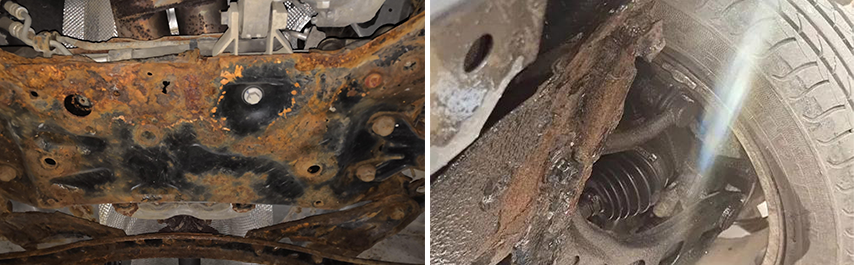
he coating employs a two-component system consisting of epoxy resin and a polyamide curing agent, forming a dense and tough protective layer on the chassis surface. For specialized vehicles that must operate continuously during winter—such as de-icing salt spreaders, snowplows, and sanitation vehicles—their chassis are exposed to high-concentration corrosive media for extended periods. Leveraging its excellent corrosion resistance, this coating effectively blocks the penetration of chloride ions and moisture. Combined with its stable protection period of 3–5 years or more, it provides these critical pieces of equipment with long-lasting protection far exceeding that of ordinary coatings, ensuring the uninterrupted operation of public services under extreme weather conditions.
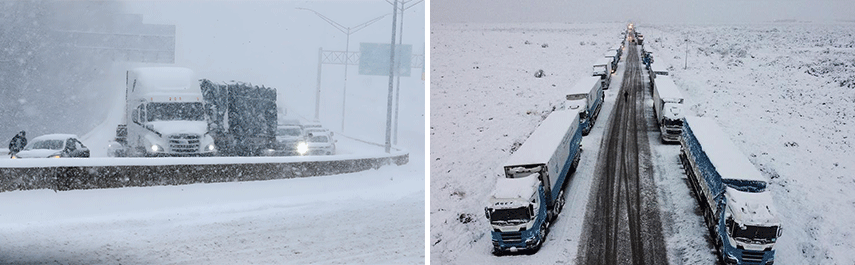
For high-frequency operational vehicles such as logistics fleets and public transport vehicles, the chassis also faces long-term erosion from salt-laden mud and water. The coating's strong adhesion and overall toughness ensure the integrity of the protective layer under complex working conditions, making it peel off even under continuous exposure to harsh environments, thus providing a reliable safety foundation for high-intensity transport missions.
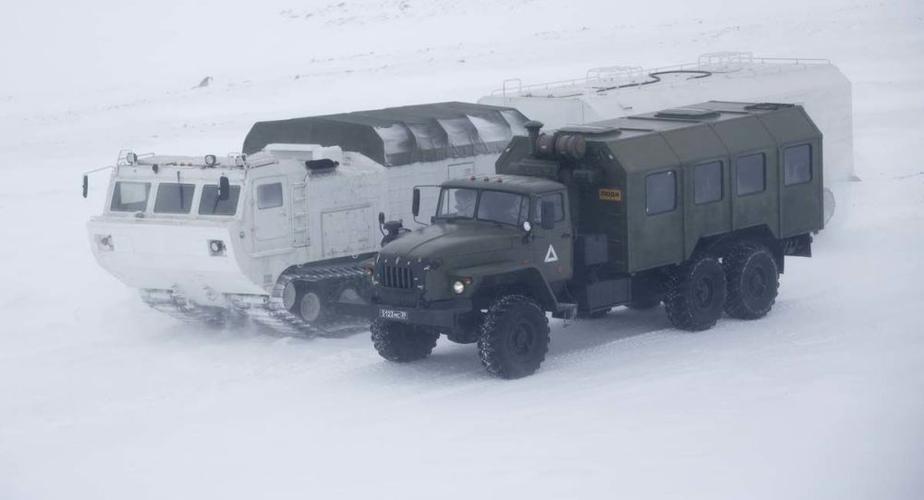
In the field of military vehicles that frequently perform missions, chassis protection is not only about equipment lifespan but also directly related to combat readiness and mission capability. When applied to such critical equipment, this coating forms a reliable "invisible armor." With its comprehensive and long-lasting protective properties, it significantly reduces unscheduled maintenance and downtime caused by corrosion, supporting rapid response and long-term availability of equipment in harsh environments.
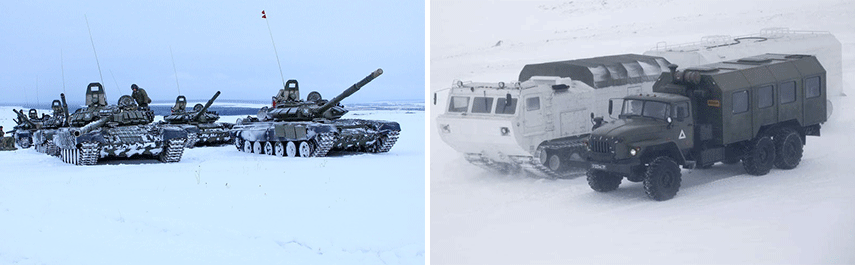
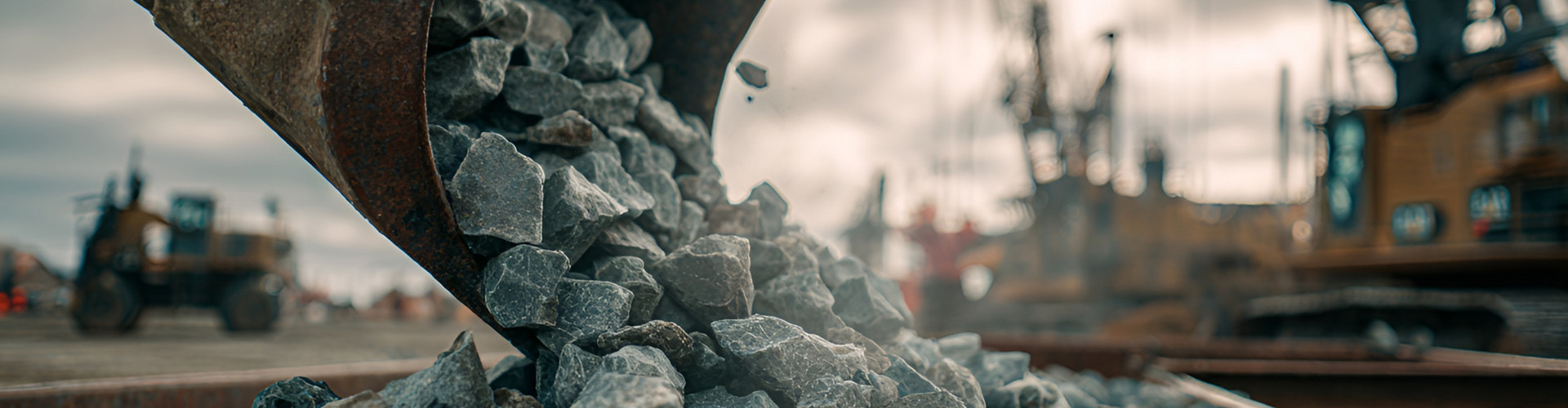
Furthermore, in various engineering constructions in high-latitude regions, heavy construction machinery must not only cope with the chemical corrosion from de-icing salts but also withstand the challenges that extremely low temperatures pose to material properties. The coating's excellent low-temperature toughness allows it to remain flexible and intact even in sub-freezing environments, avoiding coating embrittlement and cracking that could lead to protection failure. This ensures the continuous operation capability and operational stability of heavy equipment under extreme conditions.
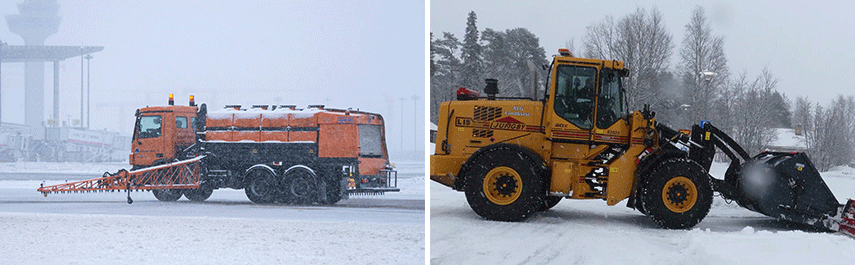
In summary, through the synergistic effects of corrosion resistance, strong adhesion, mechanical toughness, and low-temperature stability, the water-based automotive chassis top-and-bottom integrated coating systematically addresses the chassis protection challenges posed by de-icing salts in high-latitude regions. It provides long-lasting and stable chassis protection for various sectors including public services, commercial transportation, military equipment, and construction machinery.